National Library of Israel: Ms.Heb.8333.182
  • Details
  • Folios
  • Transliterations
  • Transcriptions
  • Translations
  • Palaeography
Details
Download

Download IEDC Data

You are about to download data for the current text from the IEDC database.

To start the download, please click on your desired format below.

Note: it can take up to several minutes to download your data, so please wait whilst it processes

Download started

Content

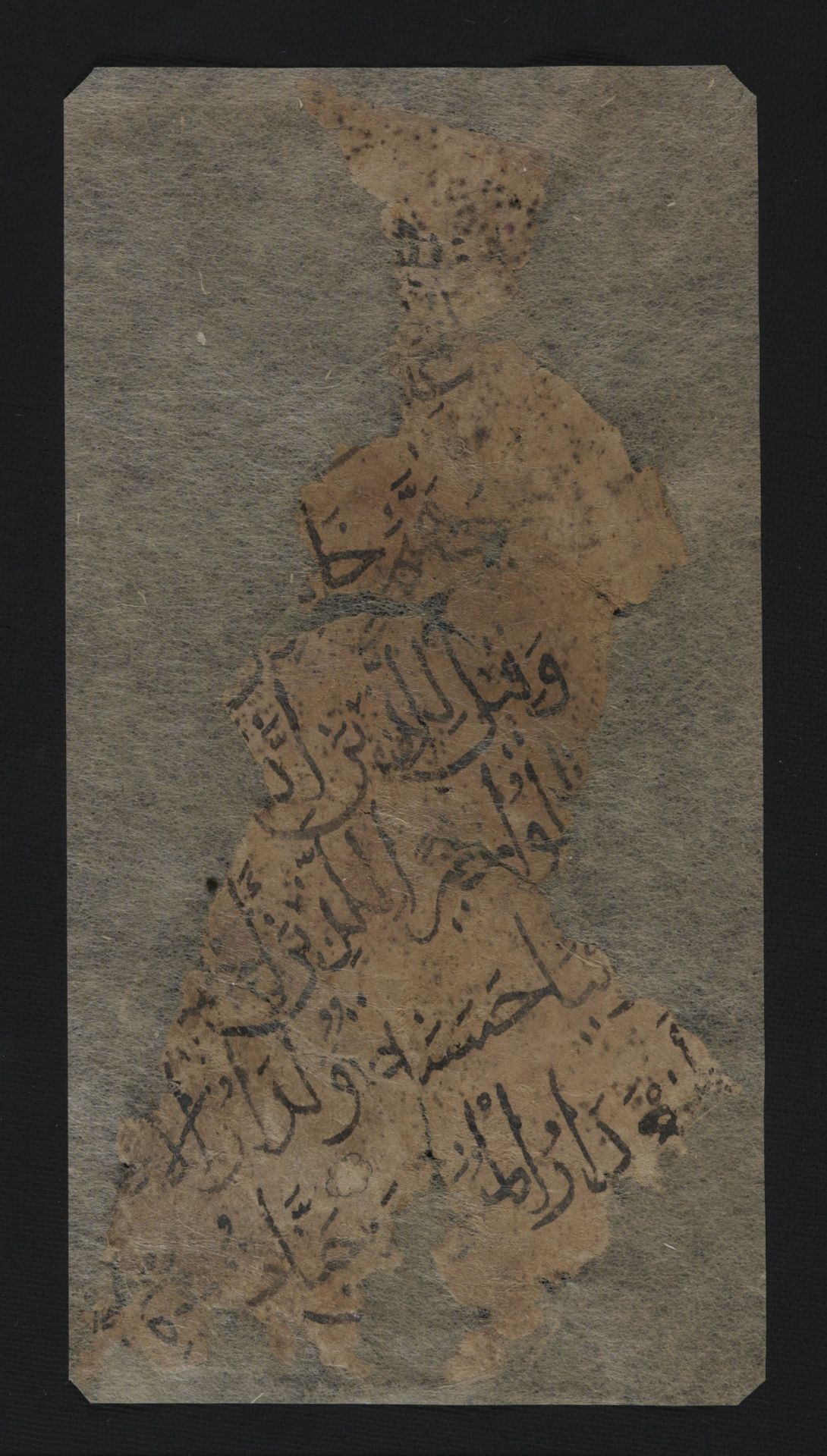
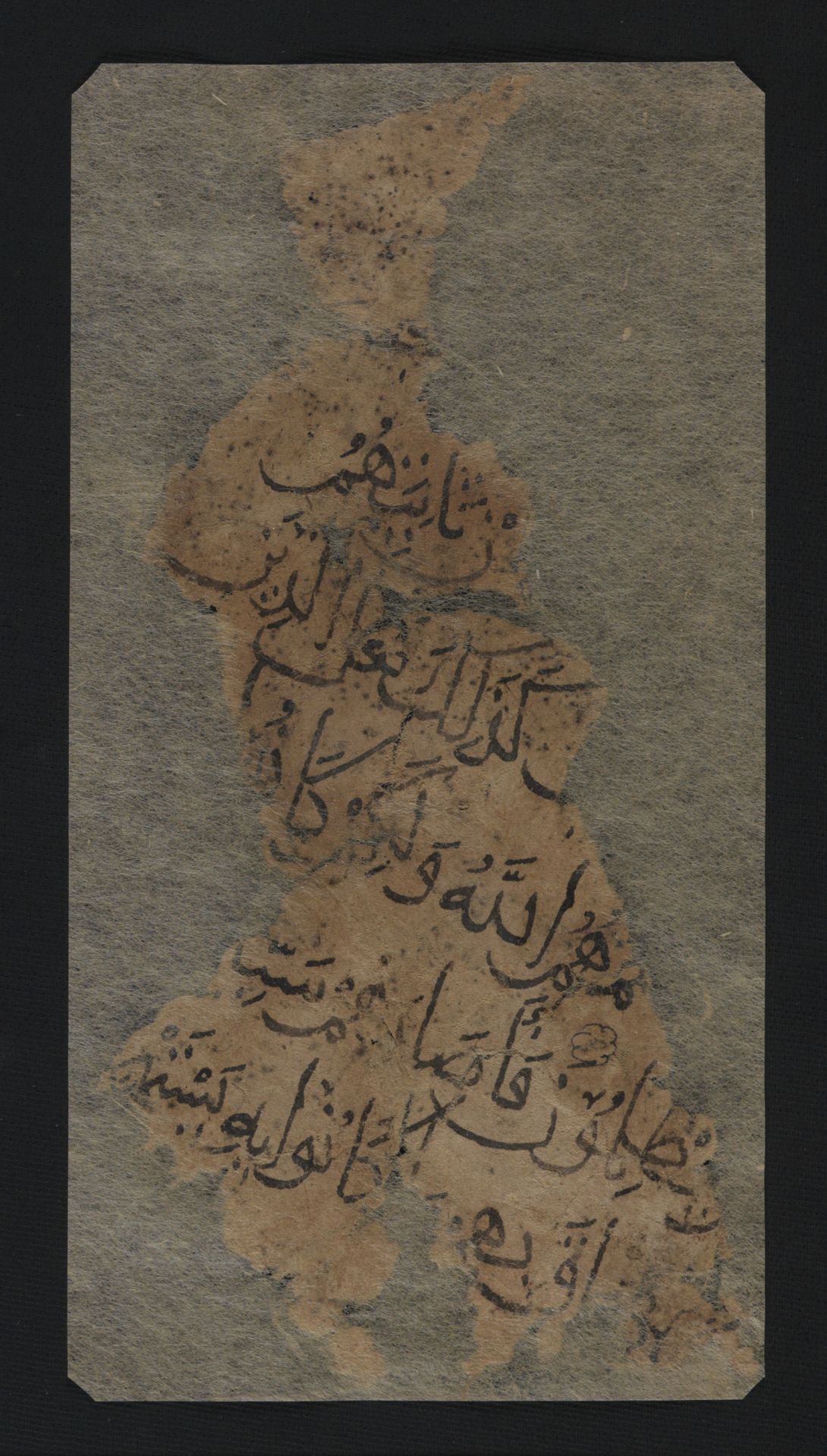
This is a fragment containing verses 16:29-34 of the Qurʾān. 

Dates

(Dates unknown)

Details

Ms.Heb.8333.182
Silver (given following internal peer review)
Arabic (Arabic script)

Physical Description

paper
Some paper missing around the edges.

People

Publications

  • https://invisibleeast.web.ox.ac.uk/article/document-month-725-fragments-once-complete-qurans

IEDC Data

1298
21/09/2025
24/05/2026

Citations

Thomas Benfey
The transcription and translation are the original work of the IEDC Team (as yet unpublished in peer-review print)
See 'How to Cite'
Images of this Text displayed on this web page are provided by National Library of Israel.
© National Library of Israel, All rights reserved.
If you wish to reproduce these images please contact National Library of Israel.

Contact

invisible_east@conted.ox.ac.uk (Please include the above permalink when contacting the editorial team about this Text)
Folios
1. recto
2. verso
Transliteration
Folio:
1  ...
2  ...
3  ...of Hell…
4  ...and it will be said to those who…
5  ...is a good thing and the abode of…
6  … excellent is the home of… gardens...
Transcription
Folio:
 ... 1
 ...  2
 …جَهَنَّمَ خَا… 3
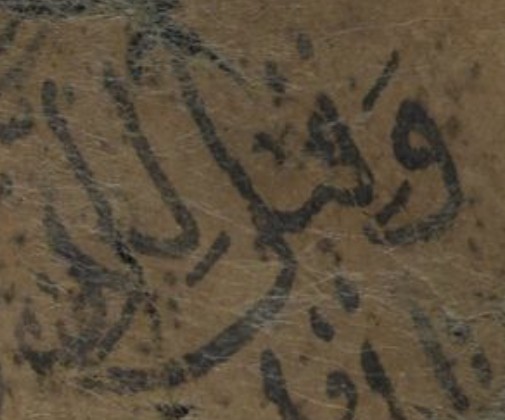
 ...وقِيلَ لِلَّذِينَ اتَّ... 4
 ...نيَا حَسَنَةٌ وَلدَارُ الاخ… 5
 ...لَنعْمَ دَارُ الْمُ...نَ جَنَّاتُ... 6
 ...نْ تَاتِيَهُمُ... 1
 ...ك كَذَلِكَ فَعَلَ الذِينَ… 2
 ...مهُم الله وَلَكِنْ كانُ… 3
 ...م يَظلِمُونَ فَأَصَابَهم سَيِّ… 4
 ...اقَ بهم ...ا كَانُوا بِهِ يَسْتَهْ... 5
Translation
Folio:
1  ...should come to them…
2  ...thus did those who…
3  ...God but they were…
4  ...wronging and then struck them…
5  ...them… what they used to mock of it….
Palaeography

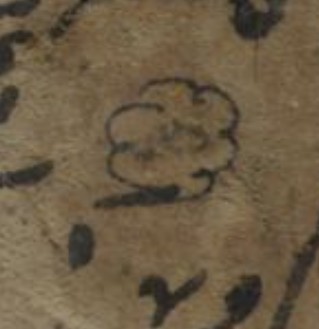
This fragment is written in a Qur’anic script known as the ‘Round Style’, a proportioned script characterised by its curvilinear features. It developed from book scripts and everyday documentary hands of the period. The script features generous and perfectly rounded bowls for letters such as nūn and lām. The script is proportioned on the basis of the alif and circle — the diameter of bowl letters such as nūn is equal to the height of the alif. Vocalisation is marked in the modern system, with vowel signs written in the same black ink as the main text. A small rosette marking a verse ending appears on line 2 from the bottom of the verso. The script, ink, and vocalisation system are consistent with NLI MS.Heb.8333.181, indicating production by the same hand or workshop.


Further Reading


Glossary


Alif-circle — the geometric basis for proportioned scripts, in which the height of the alif and the diameter of a circle set the proportional ratios for all other letterforms

Bookhand — a script style associated with the copying of manuscripts, typically more formal and regular than documentary hands

Bowl — the rounded closed or semi-closed curve of a letter which descends below the baseline, as in wāw, qāf, nūn, and sīn

Curvilinear — a script characterised by long, rounded, flowing strokes, most evident in the loops of letters such as or ʿayn, and in the bowls of letters such as yāʾ or nūn; distinct from cursive

Documentary hand — a script style associated with the production of administrative, legal, or commercial documents, typically less formal than a bookhand

Proportioned script — a script in which letterforms are executed according to consistent geometric ratios, typically based on the height of the alif and the diameter of a circle; associated with formal calligraphic training

Rosette — a small decorative mark used to indicate verse endings in Qur’anic manuscripts

Round Style — a Qur’anic script characterised by proportioned curvilinear letterforms

This fragment is written in a Qur’anic script known as the ‘Round Style’, a proportioned script characterised by its curvilinear features. It developed from book scripts and everyday documentary hands of the period. The script features generous and perfectly rounded bowls for letters such as nūn and lām. The script is proportioned on the basis of the alif and circle — the diameter of bowl letters such as nūn is equal to the height of the alif. Vocalisation is marked in the modern system, with vowel signs written in the same black ink as the main text. A small rosette marking a verse ending appears on line 2 from the bottom of the verso. The script, ink, and vocalisation system are consistent with NLI MS.Heb.8333.181, indicating production by the same hand or workshop.


Further Reading


Glossary


Alif-circle — the geometric basis for proportioned scripts, in which the height of the alif and the diameter of a circle set the proportional ratios for all other letterforms

Bookhand — a script style associated with the copying of manuscripts, typically more formal and regular than documentary hands

Bowl — the rounded closed or semi-closed curve of a letter which descends below the baseline, as in wāw, qāf, nūn, and sīn

Curvilinear — a script characterised by long, rounded, flowing strokes, most evident in the loops of letters such as or ʿayn, and in the bowls of letters such as yāʾ or nūn; distinct from cursive

Documentary hand — a script style associated with the production of administrative, legal, or commercial documents, typically less formal than a bookhand

Proportioned script — a script in which letterforms are executed according to consistent geometric ratios, typically based on the height of the alif and the diameter of a circle; associated with formal calligraphic training

Rosette — a small decorative mark used to indicate verse endings in Qur’anic manuscripts

Round Style — a Qur’anic script characterised by proportioned curvilinear letterforms

National Library of Israel: Ms.Heb.8333.182: Folio (recto)
National Library of Israel: Ms.Heb.8333.182: Folio (verso)
Images courtesy of National Library of Israel